
Why Manchester United has a dominant fan base in Myanmar: influence of broadcasting and football culture in Southeast Asia
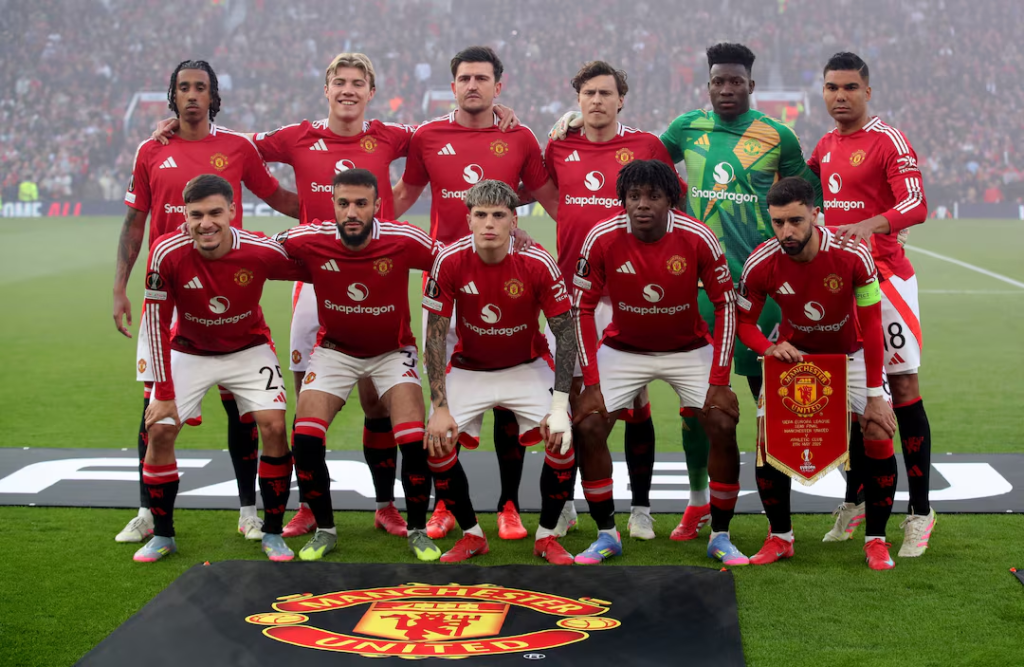
Manchester United’s appeal goes much further than Old Trafford. In Myanmar, a nation of about 55 million people, where football is the national game, United fans are numerous, and no other team from the English Premier League can match their following. You will see the red jersey in the streets of Yangon and Mandalay. Football fans across Southeast Asia who follow the global game through platforms like Mel Bet have noticed the same thing. Myanmar’s United obsession is at a level worth looking at more closely.
The Broadcasting Foundation
Myanmar’s involvement with the United gained momentum in the 1990s. Satellite television services were available in Southeast Asia. The Premier League opted for a business model focusing on coverage over immediate financial gain. Television licenses were inexpensive. Suddenly, the world of English football was within reach for many families in the region.
The level of domestic football in Myanmar was quite primitive. In contrast, the Premier League entered the country as a fully developed league. At the pinnacle of the league was Manchester United. Alex Ferguson’s team claimed a total of 13 Premier League titles from 1993 until 2013. An entire generation of football fans in Myanmar saw top-flight football for the first time, in the form of a victorious United team featuring Beckham, Giggs, Scholes, and Cantona.
In 1999, things got even better. United managed to win the Premier League, the FA Cup, and the Champions League during one season. It clinched its Champions League victory through two injury-time goals against Bayern Munich. The final was broadcast live throughout Myanmar. The idea of a miraculous comeback resonated strongly in a culture that prized endurance and patience.
Cultural Factors That Amplified the Effect
Several pieces of Myanmar’s culture turned that broadcasting moment into a lasting identity. Fans following football through the Melbet application and other digital platforms in 2026 are part of a tradition that started in person, in shared spaces.
- Tea shop culture. Watching football in Myanmar happens together. Tea shops, known as laphet yay zain, show matches on shared screens. Supporting the same club is part of how people connect. When most regulars are United fans, anyone new gets pulled in the same direction.
- Generational transmission. Football loyalty passes from parent to child. A father who started supporting United in the 1990s raises kids with the same colors. Marketing budgets cannot copy that.
- Red as a cultural color. Red carries a positive meaning in Myanmar. It is linked to good fortune and courage in Buddhist-influenced culture. United’s kit lands on the right side of those associations.
- Community identity. Supporting United is more than a sports preference. In many social circles, it works as a shared identity. Friendships and even business relationships form around it.
These four elements did not act in isolation. They were reinforcing one another in ways that transformed a TV-fueled trend into something close to a local institution. A child watching United at the family tea shop on Saturday afternoon takes the loyalty from the adults in the room and then brings it to school, into the neighborhood pickup matches, and eventually into adult life.
When that child goes on to be a parent, the cycle is already lined up to repeat. That is why, even though Old Trafford has managed to have even average results for years on end, they have caused very little detriment to the fan base in places like Yangon, Mandalay or Bagan. The club stopped being a sports choice a long time ago. It became part of how people locate themselves inside their own community.
The Digital Amplification
Following 2014, smartphones and the internet became available to most of the population in Myanmar. It was the time when telecommunications reform enabled massive connections. Facebook was the central network for the team. Pages created by United fans in Myanmar started becoming one of the most popular pages in the country. Social media had an impact on how fans followed the team.
Everything was highlighted by social networks; fan clubs included tens of thousands of members. Merchandise could be ordered from the comfort of your home, anywhere in the country, not just in Yangon. Tactics discussion moved on to a whole new level as they now took place regularly on group chats.
Why Not Liverpool, Arsenal, or Chelsea?
Timing it is. The last time Liverpool won a league title before the year 2020 was way back in 1990. The arrival of satellite television in Myanmar was later. Arsenal’s invincible team of 2004 happened after the founding generation had made their choice for United. Same issue.
Some of Manchester City’s successes have attracted more fans. However, generational ties make this difficult for newer supporters. For example, imagine a young fan in Yangon who has a father, uncle, and everyone at the tea shop supporting United. Social expectations are too high. The standings of the league mean little in this regard.
In 2026, things have not changed much for United as far as performance goes. No Premier League title since 2013. And the fans from Myanmar have remained loyal regardless. This is proof of the unique nature of the tie formed. Myanmar fans did not join the fan club because United won. They joined United because United was on TV when they discovered football.