
The Benefits of Using Small Weights in Pilates Training
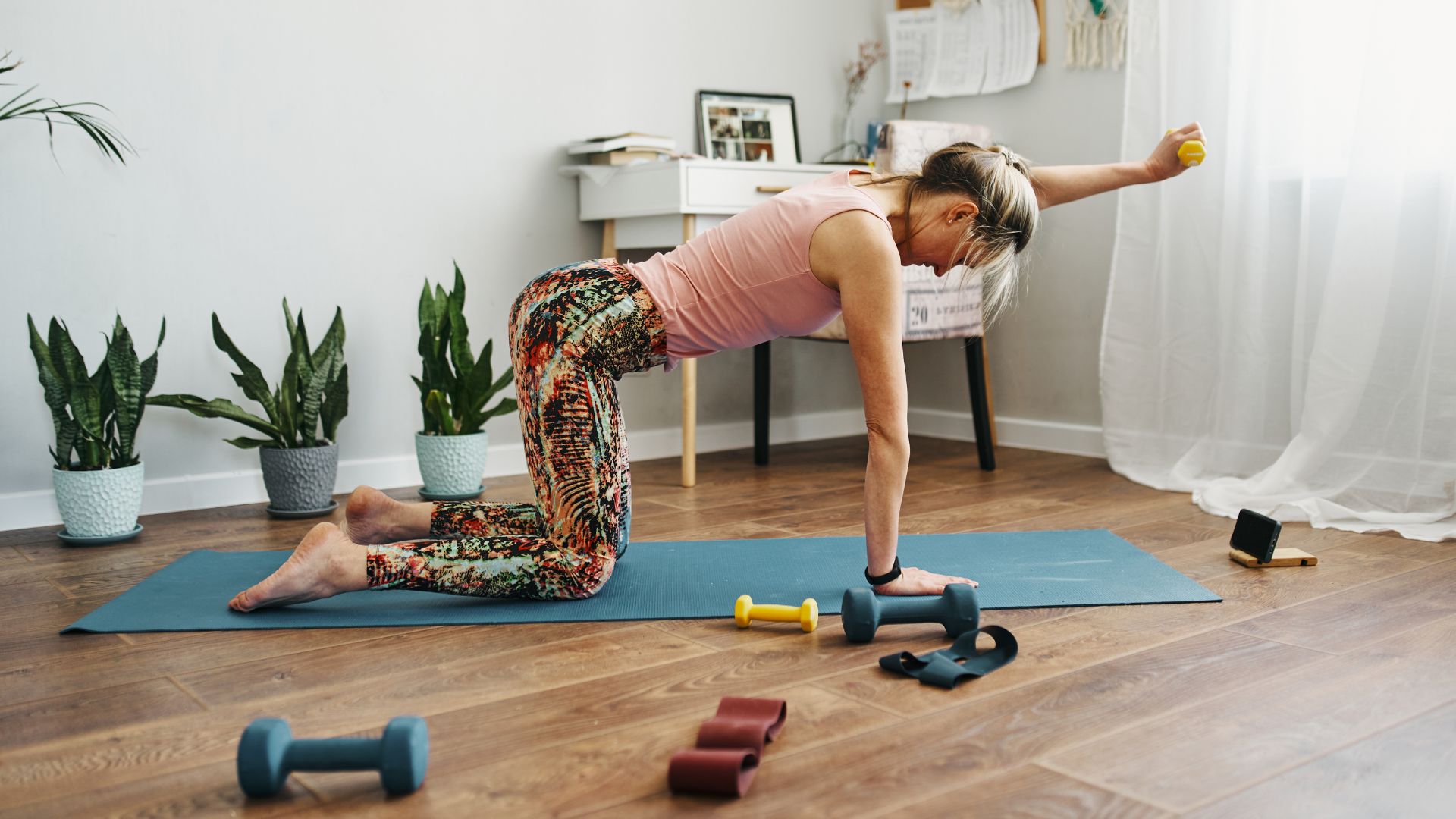
Pilates is a widely acclaimed exercise method known for its focus on core strength, flexibility, and overall body control. Traditionally, Pilates relies on bodyweight and specialised equipment, but the integration of small weights has gained popularity for enhancing the effectiveness of workouts. This article explores the numerous benefits of using small weights in Pilates training and how they can improve both strength and stability.
Enhancing Muscle Strength and Endurance
Incorporating small weights into Pilates exercises gradually increases muscular resistance. This not only builds muscle strength but also promotes endurance, as the muscles adapt to consistently exerting more effort. By utilising small weights, practitioners can safely progress from beginner to advanced levels without compromising proper Pilates technique.
Improved Muscle Tone and Definition
Small weights help target specific muscle groups more effectively than bodyweight alone. This targeted resistance encourages muscle toning and definition, which is particularly beneficial for individuals seeking to refine their physique while maintaining a lean and functional strength. Pilates combined with small weights can contribute to a more sculpted appearance.
Increased Calorie Burn
Adding small weights to Pilates routines elevates the intensity of the workout, leading to increased calorie expenditure. This is essential for those who incorporate Pilates into their weight management or general fitness goals. The combination of resistance and controlled movements helps maximise energy output without the risk of high-impact strain.
Enhanced Bone Density
Resistance training is recognised for its positive impact on bone health by stimulating bone growth and increasing density. The use of small weights in Pilates provides a safe and effective form of resistance training, which can be particularly advantageous for older adults or individuals at risk of osteoporosis. This incorporation supports the maintenance of healthy bones.
Greater Core Activation
Core engagement is a fundamental aspect of Pilates. By introducing small weights, there is an increased demand for core stabilisation to maintain balance and control throughout the movements. This heightened core activation strengthens deep abdominal muscles and contributes to better posture and spinal alignment.
Improved Coordination and Control
Small weights add an extra element of challenge requiring greater coordination and neuromuscular control. Practitioners must concentrate on movement precision, which enhances proprioception—the body’s awareness of position and movement. This is beneficial not only within Pilates but also in everyday physical activities and sports.
Adaptable for Various Fitness Levels
Using small weights in Pilates training provides a versatile option to tailor workouts according to individual fitness levels. Beginners may start with light weights to introduce resistance gradually, while more experienced practitioners can increase weight or repetitions to continue progression. This adaptability ensures sustained engagement and consistent improvement.
Time-Efficient Workouts
The combination of Pilates techniques and small weights allows for muscle conditioning and strengthening in a condensed timeframe. Because resistance is introduced, exercises become more challenging even with fewer repetitions, enabling effective workouts within limited time slots. This makes Pilates with weights suitable for busy lifestyles.
Reduced Risk of Injury
Small weights facilitate controlled resistance training that minimises the risk of injury associated with heavy lifting or high-impact exercises. Pilates encourages mindful movement, and the addition of appropriately weighted tools supports joint stability and muscle balance, reducing strain and improving overall safety during training sessions.
Support for Rehabilitation
Physical therapists often recommend Pilates with small weights as part of rehabilitation programmes. The ability to apply gradual resistance helps rebuild muscle strength and coordination without overstressing injured areas. This controlled approach promotes effective recovery while restoring functional movement patterns.
Boost in Mental Focus and Mind-Body Connection
Pilates is known for its emphasis on concentration and breath control. Incorporating small weights requires increased mental focus to maintain form and control while managing additional resistance. This enhances the mind-body connection, promoting greater awareness and mindful movement, which are key benefits of Pilates practice.
Versatility in Exercise Selection
Small weights can be easily incorporated into a wide variety of Pilates exercises, from arm and shoulder work to lower body and core routines. Their versatility allows practitioners to diversify workouts and target multiple muscle groups effectively, contributing to balanced muscle development and overall fitness.
Improved Postural Alignment
Maintaining proper posture is central to Pilates. The introduction of small weights encourages the engagement of postural muscles to support spinal alignment during resistance exercises. This reinforcement aids in correcting postural imbalances and reduces the risk of related musculoskeletal problems.
Convenience and Accessibility
Small weights are compact and easy to store, making them convenient for home use or transport to Pilates studios. Their accessibility encourages regular use, which is essential for consistent progress and the maintenance of physical benefits over time.
Cost-Effective Training Enhancement
Investing in a set of small weights is a cost-effective way to enhance Pilates training without the need for expensive equipment. Their affordability makes them an attractive option for practitioners wishing to intensify workouts and achieve results faster while maintaining the fundamental principles of Pilates.
Conclusion
The integration of small weights in Pilates training offers a comprehensive range of benefits, from increased muscle strength and endurance to improved coordination and bone health. They provide a flexible, convenient, and safe means to advance Pilates practice and achieve fitness goals. Whether used in rehabilitation, weight management, or general fitness, small weights contribute significantly to the effectiveness of Pilates workouts by adding targeted resistance and enhancing overall physical conditioning.