
Essential School Readiness Skills for Early Learners
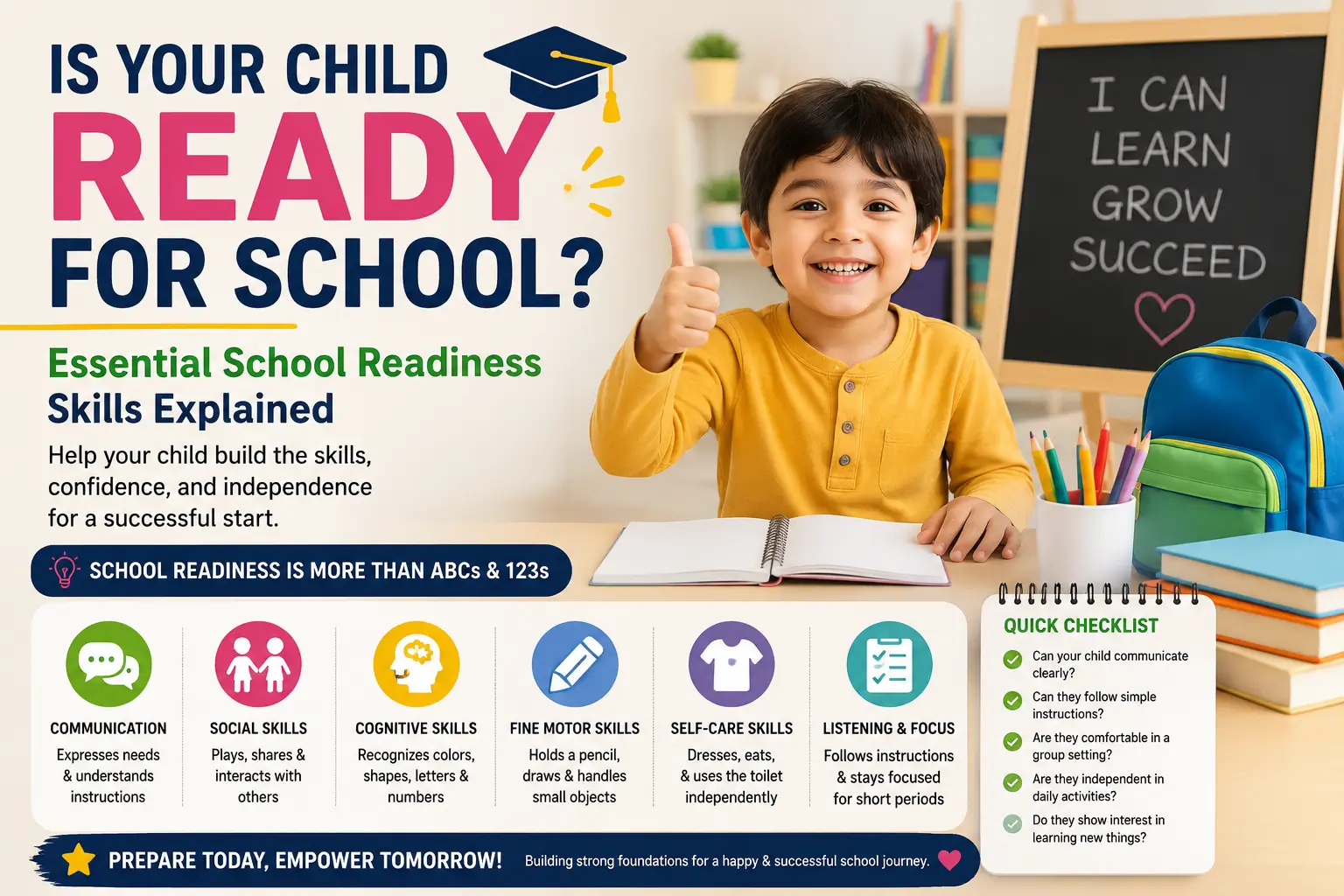
Preparing children for the transition to school is a significant milestone that requires attention to a range of developmental areas. School readiness encompasses more than just academic learning; it involves social, emotional, physical, and cognitive skills that collectively enable young learners to thrive in a school environment. Understanding and fostering these skills in early learners is critical for their success throughout their educational journey.
Understanding School Readiness
School readiness refers to the stage at which a child possesses the necessary skills and behaviours to engage with schooling effectively. It is a multifaceted concept that includes a combination of abilities, dispositions, and attitudes that contribute to a positive and productive school experience. These skills develop over time and are influenced by the child’s environment, family interactions, and early learning experiences.
The Importance of Developing School Readiness Skills
Children who enter school equipped with essential skills are more likely to adapt quickly to the classroom setting. They tend to perform better academically, display more confidence in new situations, and are better equipped to build relationships with peers and educators. Conversely, children who lack these foundational skills might face challenges that could impact their long-term educational outcomes.
Core Areas of School Readiness
School readiness can be broadly categorised into several key areas: social and emotional development, communication and language skills, cognitive abilities, physical development, and self-care skills. Each area contributes uniquely to preparing a child for school.
Social and Emotional Development
Social and emotional skills are fundamental for children to engage positively in classroom activities and interactions. These skills include the ability to regulate emotions, share and take turns, follow instructions, and build friendships. Developing these competencies allows children to navigate social settings confidently and respond appropriately to various situations.
Communication and Language Skills
Effective communication is a cornerstone of learning. Early learners need to understand and use language to express their thoughts, needs, and questions. Listening skills and vocabulary development are also crucial components. Children with robust communication skills can better comprehend instructional content and participate actively in classroom discussions.
Cognitive Development
Cognitive skills involve problem-solving, memory, attention, and the ability to understand concepts such as numbers, shapes, and colours. These skills lay the foundation for literacy and numeracy learning. Critical thinking and curiosity encourage children to explore their environment and engage meaningfully in educational activities.
Physical Development
Fine and gross motor skills are essential as they allow children to perform tasks such as writing, using scissors, and participating in physical activities. Physical development also includes hand-eye coordination and spatial awareness, which are important for everyday classroom functions.
Self-Care and Independence
Self-care skills enable children to take care of their personal needs, such as dressing, using the toilet independently, and managing their belongings. These skills foster independence and reduce dependence on adults, helping children feel confident and competent in a school setting.
Strategies to Promote School Readiness
Parents and educators can support early learners in developing school readiness skills through intentional activities and supportive environments. Encouraging play-based learning, reading regularly, and establishing routines are effective methods to prepare children for school.
Role of Play-Based Learning
Play offers opportunities for children to experiment, solve problems, and interact with others. Through imaginative and structured play, children develop language, social, and cognitive skills in a natural and engaging way. Play-based learning also allows children to practice fine and gross motor skills in meaningful contexts.
Reading and Literacy Activities
Introducing books and storytelling at an early age enhances vocabulary and comprehension. Interactive reading sessions encourage dialogue and critical thinking, which contribute to stronger communication skills and a love of learning.
Establishing Daily Routines
Consistent routines provide a sense of security and predictability for children. Routines help reinforce self-care habits and time management skills that align with the structured nature of a school day. Preparing children to follow daily schedules reduces anxiety and promotes adaptability.
Encouraging Social Interaction
Facilitating opportunities for children to engage with peers in various settings builds social competence. Group activities and cooperative games cultivate skills such as sharing, empathy, and conflict resolution. These interactions are pivotal for enhancing emotional intelligence.
Professional Programmes Supporting School Readiness
Several programmes focus explicitly on fostering school readiness skills by incorporating evidence-based practices into early learning contexts. These programmes support children’s development holistically, addressing individual needs and promoting confidence and independence.
Benefits of Structured School Readiness Programs
Structured programmes provide targeted support to early learners, helping to identify and address areas of development that require additional attention. They offer resources and activities that educators and parents can implement to reinforce key skills.
Tailored Support for Diverse Learners
Professional programmes also consider the diverse backgrounds and abilities of children, adapting approaches to ensure inclusivity. This personalised approach helps all children access the support needed to succeed in a school environment.
Conclusion
Developing essential school readiness skills in early learners is fundamental to ensuring a smooth and successful transition to formal education. These skills encompass a broad range of social, emotional, cognitive, physical, and practical abilities that help children adapt to school routines and expectations.
Parents, educators, and care providers play a crucial role in fostering these competencies through intentional activities, supportive interactions, and access to specialised programmes. By focusing on these key areas, children are better prepared to face the challenges of schooling and to engage confidently with their learning.
Investing time and resources in cultivating school readiness not only benefits the individual child but also contributes to a more effective and harmonious educational environment, laying the groundwork for lifelong learning and development.