
Digital menus and social reviews shaping today’s food experience
Food today is experienced long before the first bite. From picking a streaming show to ordering groceries, decisions flash online in a quiet rush. A person scrolls, reads, compares, and only then chooses where to eat. Digital menus, online reviews, and social food apps are now driving choices that once hinged on location or word of mouth. This shift affects taste, trust, and expectations. By changing the dialogue between eateries and their customers, it makes diners feel genuinely acknowledged.
Look at the figures; they spell out the new trend. Research from hospitality groups shows that more than 70 percent of diners check a digital menu before visiting a restaurant. Somewhere between four‑fifths and nine‑tenths of the audience will read at least one review, giving the product a solid chance to be noticed. From recipe videos to restaurant reviews, the digital food world blends into the fabric of ordinary life instead of staying in a specialized corner.
Digital menus replacing paper habits
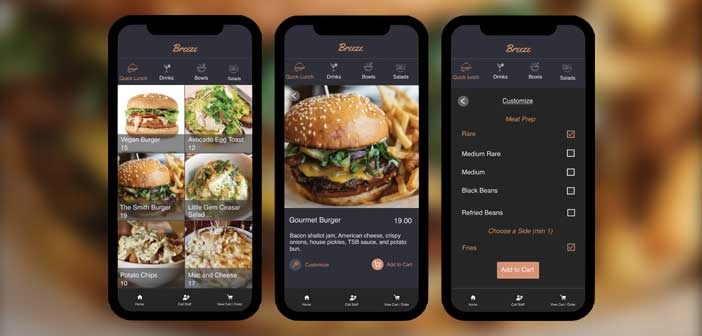
The speed and adaptability of electronic menus save time. They roll out changes in minutes, not weeks. Restaurants no longer need to reprint pages for every price change or seasonal dish. Save dollars while shaving off time.
Typical items you’ll see on current digital menus are:
- Images that display dishes in true-to-life portions.
- Picture cues for allergens and special eating needs
- Adjust prices on the fly or roll out daily deals
- Tourist language choices
- Simple URLs guide you to order food or set up a reservation in just a few clicks.
These tech driven menus replace guesswork with clarity, helping patrons order confidently. Clear info about what’s inside, how big the serving is, and the bill lets patrons relax. Clear digital menus have been shown in research to shave as much as 15 percent off ordering time when the place is packed.
Reviews as shared memory
Restaurant reviews work like a public diary. Every guest adds a line. Together, they form a story. This story is rarely neutral. It includes emotions, expectations, and context.
People use reviews in different ways:
- To avoid bad service
- To confirm food quality
- To check cleanliness
- To compare value for money
According to survey data, a one-star increase in average rating can lead to revenue growth of 5–9 percent for independent restaurants. This shows how powerful restaurant reviews have become in shaping decisions.
Access, safety, and online food research
As food discovery moves online, access and safety matter more. Travelers, students, and remote workers often search for places to eat using public networks. This creates risks related to data security and tracking. Cybersecurity discussions increasingly include everyday actions, like browsing menus or reading reviews.
VPNs are often mentioned in this context. They help protect personal data and support free access to foreign web resources, including restaurant websites or review platforms that may be restricted by region. Solutions based on a global server infrastructure allow users to connect reliably while exploring food options across different countries without exposing private information. Freedom and security are what quality VPNs offer.
How platforms influence taste
Social food platforms do more than show food. They demonstrate the right way to look at it Angles, lighting, short videos, and captions shape desire. A dish becomes popular not only because it tastes good, but because it looks good on screen.
What you’ll find on social food sites includes:
- Brief video reviews
- Tag the place
- Algorithm‑generated suggestions
- Residents’ thoughts and responses
This structure changes food culture online. Trends spread faster. A small café can become famous overnight. Simultaneously, what’s popular today is gone tomorrow. Today’s hot topics often become yesterday’s news within weeks.
Learning to read reviews wisely
Not all reviews are honest or helpful. Users slowly learn how to filter noise. They compare many comments instead of trusting one. Education plays a role here, especially for younger users who rely heavily on digital sources.
In broader discussions about online learning, access issues, and cybersecurity threats, VPNs sometimes reappear as part of digital literacy guides. When you need to unblock a website, connect to public Wi-Fi, or protect yourself from surveillance, VeePN becomes an invaluable tool. The less known about the user, the fewer risks they face in the digital environment.
Data-driven dining and personalization
Behind the screen, platforms collect data. Log clicks, capture likes, watch menu linger time. With this data, the personalization platforms adjust offers in real time.
Restaurants use it to:
- Showcase the dishes that guests rave about most
- Strip away the things that get low votes.
- Change the way you price products
- Refresh the arrangement and sharpen the copy.
The system reviews what you’ve done before and points you to similar places. If you serve users personalized tips, you’ll likely see a 20 % jump in how often they return. It alters the client’s perception, resulting in a seamless feel and a noticeably more personal touch.
The balance between numbers and feelings
Despite all data, food remains emotional. A meal is still about comfort, memory, and mood. Digital tools support choices, but they do not replace human taste. Printed menus, personal advice, and offline discovery still exist.
Yet the direction is clear. Digital menu trends, restaurant reviews, and social food platforms now define how people explore food. The modern food experience lives between the table and the screen. It is shaped by access, trust, technology, and shared stories. Taste has become digital, but the desire to enjoy a good meal remains the same.