
Comprehensive Guide to Annulus Grouting Techniques and Benefits
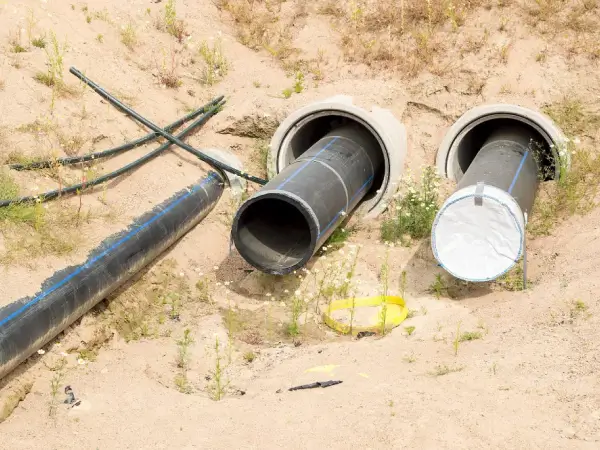
Annulus grouting is a specialised technique used extensively in construction and civil engineering to improve the stability and durability of various structural elements. This process involves filling the annular space, also known as the annulus, between two concentric elements such as a pile and its surrounding casing or the space between a drilled shaft and the drilled hole. Proper implementation of annulus grouting can significantly enhance load transfer, reduce settlement, and provide increased resistance to environmental factors.
Understanding Annulus Grouting
The annulus is the gap or void present between two circular elements, often resulting from drilling or installation methods. In the context of piles and drilled shafts, the annulus forms between the borehole and the installed casing or between the foundation element and the surrounding soil. Annulus grouting involves pumping a grout material into this space to fill voids and create a solid, stable interface.
This process is critical in ensuring the long-term performance of foundations, particularly in challenging ground conditions where soil can settle or erode, potentially compromising structural integrity. Annulus grouting also addresses issues such as water ingress and lateral soil movement by creating an impervious barrier.
Types of Grout Used in Annulus Grouting
The choice of grout material depends on site conditions, structural requirements, and environmental considerations. The most common types of grout include cementitious grouts, chemical grouts, and special mixes tailored for specific applications.
Cementitious grouts, often a mixture of cement, water, and additives, provide good strength and durability. They are widely used due to their cost-effectiveness and compatibility with most soil types. Chemical grouts, including polyurethane and acrylate-based materials, offer rapid setting times and low permeability, making them suitable for applications requiring immediate load transfer or water control.
Annulus Grouting Procedures
Effective annulus grouting requires careful planning and execution. The procedure generally involves site investigation, borehole preparation, grout design, and controlled pumping.
Firstly, a thorough geotechnical investigation helps determine soil characteristics and groundwater conditions. This data informs grout selection and pumping pressures. Boreholes must be cleaned to remove loose debris and ensure good contact between the grout and the surfaces.
Grout is then pumped under controlled pressure into the annulus. Monitoring is essential to avoid over-pressurisation, which could damage surrounding soils or the structural elements themselves. Grouting typically continues until grout returns are observed at the surface or until pressure thresholds are met, indicating the annulus is filled.
Applications of Annulus Grouting
Annulus grouting finds applications in numerous scenarios. One common use is in the installation of bored piles, where the space between the pile shaft and drilled hole requires filling to enhance load-bearing capacity and reduce settlement.
It is also applied in underpinning existing foundations in order to stabilise and strengthen structures undergoing renovation or extension works. Additionally, annulus grouting can be employed in tunnel construction and ground improvement techniques to minimise seepage and soil movement around structural elements.
Benefits of Annulus Grouting
The advantages of annulus grouting extend beyond simply filling voids. Key benefits include increased foundation capacity by improving the bond between piles and surrounding soils, which reduces the risk of slippage and failure.
It also mitigates water ingress into the annular space, protecting the foundation elements from corrosion and other water-related damages. By stabilising the soil around the foundation, annulus grouting reduces differential settlement and ensures even load distribution.
Furthermore, the process enhances structural durability by minimising movement caused by soil erosion or shrinkage. This contributes to the longevity of the structure and reduces maintenance costs over time.
Challenges and Considerations
Although annulus grouting offers many benefits, it demands careful consideration during design and execution. Quality control during grout mixing and pumping is essential to prevent problems such as segregation, poor penetration, or excessive pressure.
Environmental factors, such as proximity to water bodies and soil contamination, may restrict the use of certain chemical grouts. Additionally, monitoring is necessary to ensure that grout does not escape into unintended areas, which may cause ground heave or disturb nearby utilities.
Technology and Innovations in Annulus Grouting
Recent technological advancements have improved the precision and efficiency of annulus grouting processes. Equipment such as automated grout mixers and pumps enable consistent grout quality and controlled pressure application.
Non-destructive testing methods, including ground-penetrating radar and ultrasonic testing, allow engineers to verify grout placement without excavation. Digital monitoring systems provide real-time data on grout volume, pressure, and flow rates, contributing to safer and more effective grouting operations.
Environmental and Regulatory Aspects
Environmental regulations govern the selection and use of grout materials to minimise ecological impact. The use of environmentally friendly, low-toxicity grouts is increasingly required, especially near sensitive ecosystems or groundwater sources.
Permits and compliance with local building codes must be obtained before undertaking annulus grouting. Proper waste management and disposal protocols for excess grout and cleaning water are critical to maintaining environmental standards.
Choosing a Professional Service
The complexity of annulus grouting means it is best performed by experienced professionals who understand the geotechnical and structural requirements. Companies specialising in foundation and ground improvement services are equipped to carry out assessments, design appropriate grout mixes, and execute the work efficiently.
For those seeking more information or professional assistance, annulus grouting services provide comprehensive solutions tailored to specific project needs.
Conclusion
Annulus grouting is a vital component in modern foundation engineering, offering numerous benefits in improving structural stability and longevity. Its application requires careful planning, appropriate material selection, and skilled execution to ensure desired outcomes.
As construction projects advance toward demanding engineering challenges, annulus grouting remains a reliable technique to enhance soil-structure interaction and safeguard foundations against environmental and load-induced stresses. Utilising professional services equipped with up-to-date technology and adhering to environmental regulations further guarantees the effectiveness and sustainability of annulus grouting solutions.