
Break From Template-Based Content Using Seedance 2.5
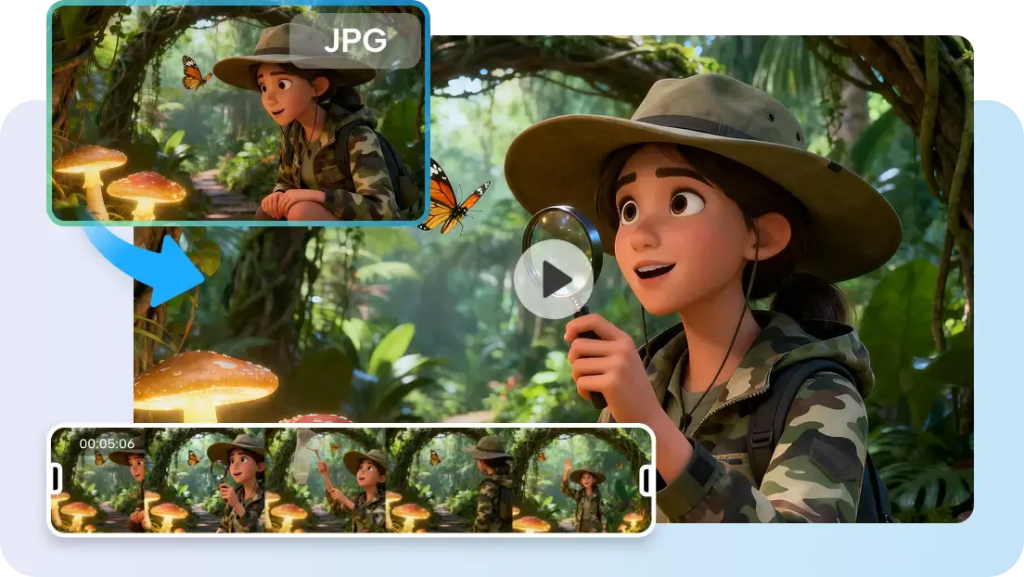
Creative videos attract attention, and not because they have the same pattern repeated over and over again. Using template-based production can restrict new concepts and visual variation. Personalized storytelling fosters greater emotional connection and increases audience engagement. With advanced scene control and structured visual generation, Pippit’s flexible creative workflows ensure optimal resource use. Careful planning, detailed prompts, and references assist creators in crafting unique video content with unique concepts as opposed to predictable formats.
Limitations of Template-Driven Video Creation
Videos created with templates tend to have similar graphics to many other videos that are out there—excessive repetition of the same scene setup and diminished viewer interest. There is little to no storytelling, and no emotional development between the connected sequences. The same scene setups limit the creative freedom in choosing locations and pacing and in moving characters around. Limited creativity also means limited branding opportunities as all projects are run similarly. If everyone is presenting the same way, it’s not very original, and if the topic is different, the campaigns look almost the same. Pippit offers more flexibility, enabling creators to mold projects with detailed instructions rather than just fixed layouts.
How Seedance 2.5 Encourages Original Visual Direction
The creative direction is strengthened as each scene is performed based on written instructions rather than set-up. Prompt-based scene creation provides more control over actions, settings, and visual atmosphere. Timestamp sequencing is when key events are arranged in a logical sequence in related scenes. Multi-modal references reinforce consistency by directing appearance, composition, and overall visual style. Realistic motion makes the objects move in a cinematic manner and makes the movements more believable—camera guidance uses flexible approaches to framing with close-ups, wide shots, and tracking movements. Scene extensions provide long storytelling without having to re-create entire sequences. These features are all integrated into Pippit’s AI video generator process, empowering creators with more control over the visual results.
Building Videos Around Ideas Instead of Templates
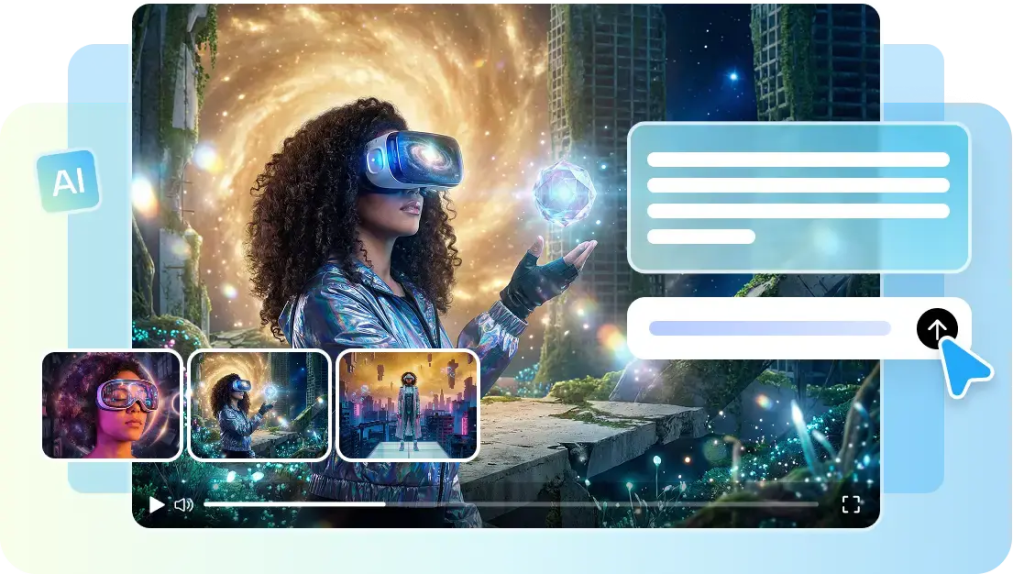
Every decision strengthens creative projects when it’s in the service of a clear narrative objective. Explain story goals before explaining characters, places, or product presentation. Organize scene sequences with effective beginnings, development, and ends. Include visual elements to support style, mood and design flow. Clearly describe framing, camera movement and point of view. Iterate by going through each draft and making changes to weaker scenes. Pippit facilitates this creative process with Seedance 2.5, which does not rely on repetitive template structures for detailed scene planning.
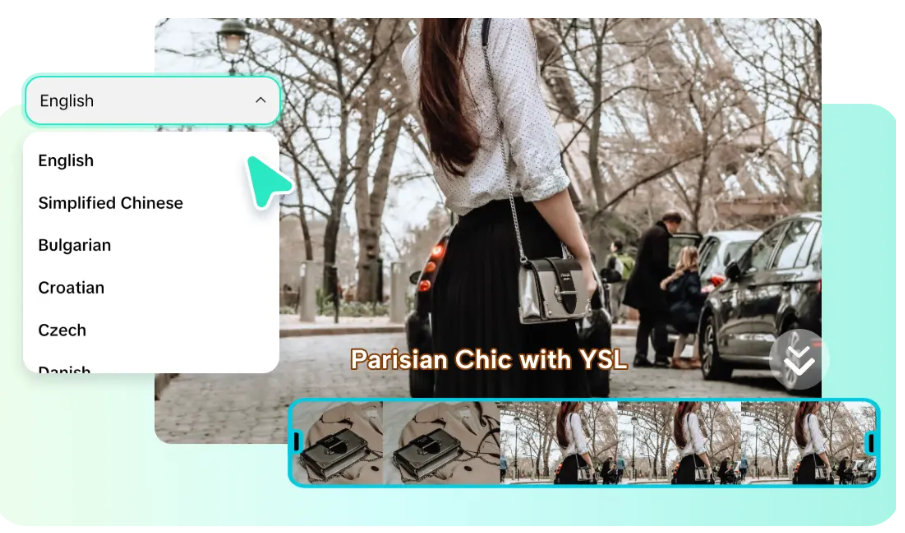
Steps to Break From Template-Based Content Using Seedance 2.5
Step 1: Create a custom video concept
- Create a Pippit account using your Google, TikTok, or Facebook account information.
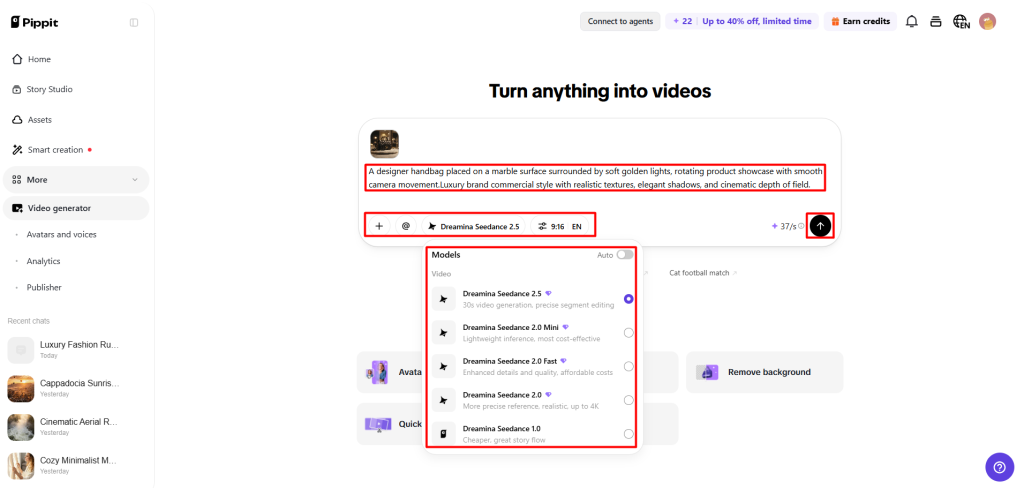
- Navigate to the “More” tab and select “Video generator” from the left menu.
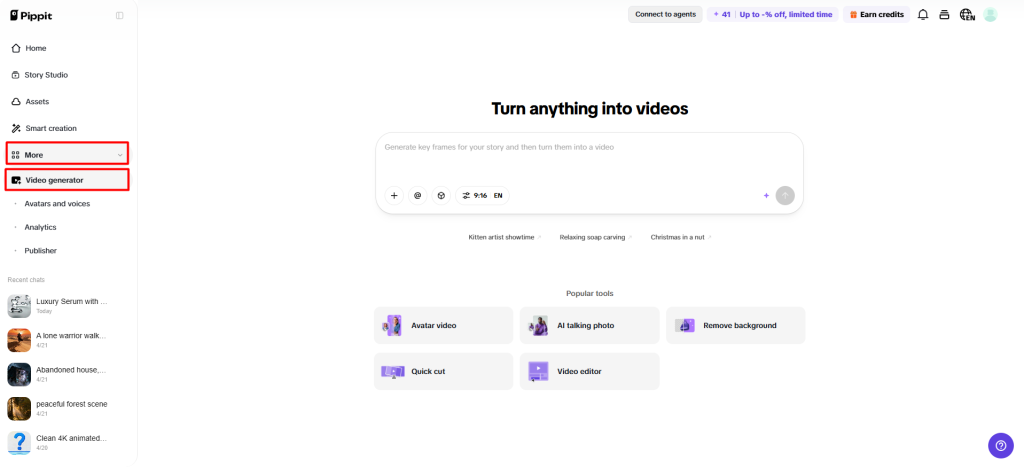
- Choose “Dreamina Seedance 2.5” to create videos without fixed templates.
- Add a detailed text prompt explaining your original idea, scenes, visuals, and creative direction.
- Select video length, language, subtitles, and aspect ratio as needed.
- Click the “+” option to upload reference images or videos from your device, phone, Dropbox, or a link. You can also select assets if you lack reference media.
- Click “Generate” to create your video.
Step 2: Generate a template-free draft
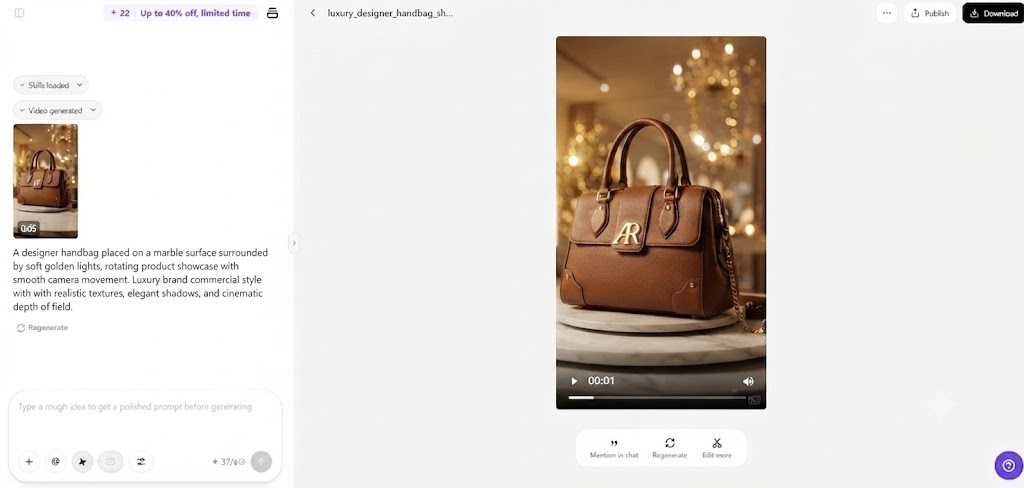
- After clicking “Generate”, Pippit’s AI video generator creates content based on your prompt and references.
- The AI handles transitions, pacing, captions, avatars, voice, lyrics, and visual enhancements.
- Review the draft and adjust your concept without depending on repetitive templates.
Step 3: Personalize and export
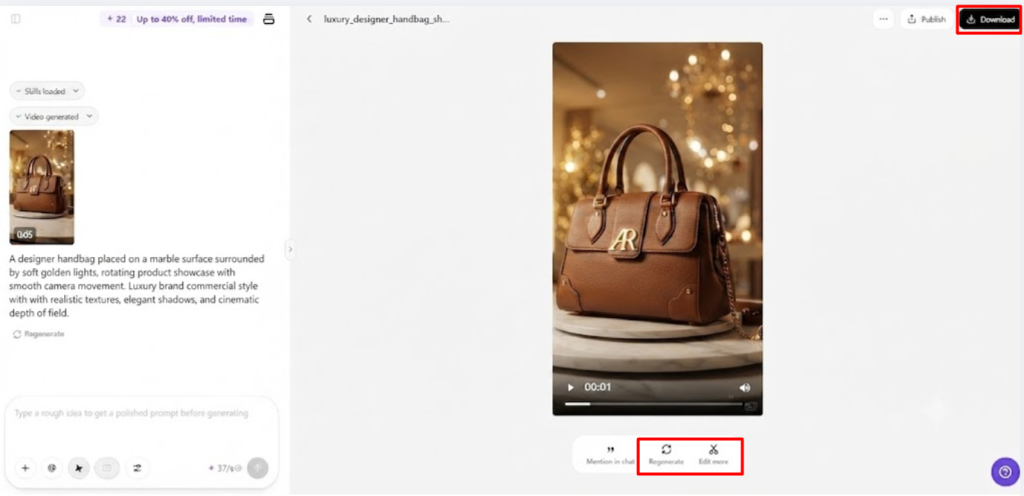
- Click “Download” to save the video, use “Regenerate” for another result, or select “Edit more” for additional customization.
- Edit captions, add text, and adjust size, color, alignment, filters, and effects.
- Add background music, remove backgrounds, and refine visual details.
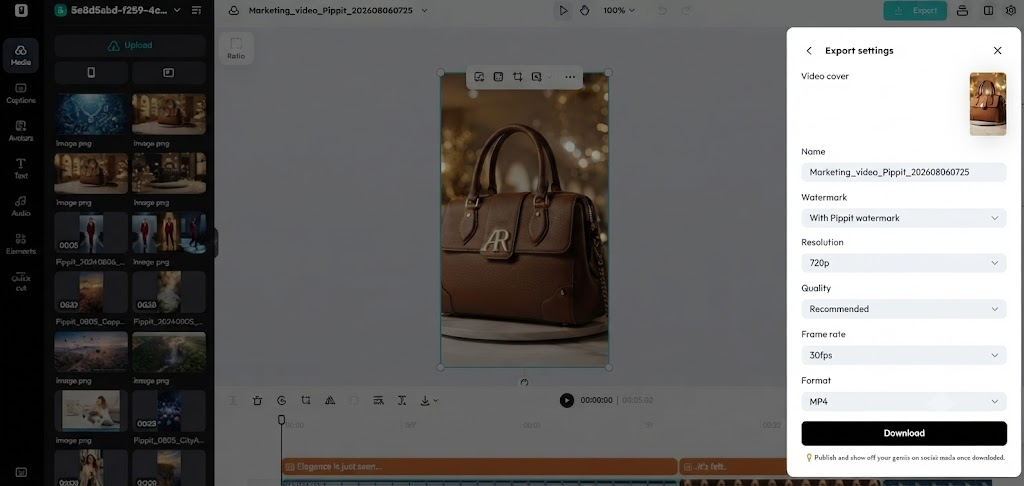
- Click “Export” to complete the video.
- Select “Publish” to post on TikTok, Instagram, or Facebook, or click “Download” to save with your preferred format, resolution, frame rate, and quality.
Creative Techniques That Replace Generic Templates
There are a number of creative methods to overcome the repetitive production methods and enhance the quality of visual storytelling.
- Prefer a clear story to a predetermined layout for each project.
- Use film-style transitions to link scenes in a logical visual sequence.
- Maintain continuity of the scene in terms of lighting, characters, and environmental elements.
- Implement dynamic camera moves to enhance emotional impact and natural pacing.
- Add foreground, middle, and background elements to create a sense of depth.
- Apply reference-guided styling for consistent colours, composition, and artistic direction.
Ways to Add More Personality to AI Videos
Videos instantly stand out from videos made via a basic template. Unique angles add memorable views, making for more audience engagement. Moving objects add to realism, and believable physical movements are captured. The lighting used in the film is rich and creates a mood and accentuates the important points to be seen in each shot. Unique pacing for emotional rhythm through well-controlled scene lengths and scene transitions. Personalized prompts provide detailed creative direction, tailored to specific storytelling goals. To support these changes, Pippit’s flexible editing features enable creators to easily apply the same visual style to various projects, ensuring a unified look and feel.
Why Controlled Scene Generation Produces Better Variety
Controlled scene generation is for flexible storytelling – everything is planned and has a creative intent. Careful environment planning, layered compositions, and realistic movement create better visual depth. Increased continuity maintains continuity of characters, products, and visual style from one scene to the next. This decreases repetition, letting distinct campaigns convey new ideas without having to duplicate acquainted formats. With more creative freedom comes experimentation with camera movement, lighting, pacing, and structure of storytelling. Pippit allows creators to tweak drafts again and again until the scenes are aligned with the vision of what they want to convey and the scenes flow in a logical sequence.
Long-Term Benefits of Moving Beyond Fixed Templates
Transitioning from templates towards more flexibility enhances originality and fosters creative experimentation rather than formats. Distinctive visuals create better audience engagement as they help to capture attention. Future projects are made easier with adaptable creative workflows, which can be used across various industries, campaigns, and storytelling approaches. With the enhanced ability to diversify content, creators can generate educational videos, ads, social media clips, and branded stories based on unique ideas. The scene planning has a structure and can be used to reliably guarantee the visual outcome without compromising the originality, thus ensuring consistent production quality. Pippit offers scalable creative capabilities to help ensure quality when content needs grow while offering individual creative direction.
Conclusion
Avoiding the use of the same template allows for the production of more interesting and memorable visual experiences. Careful prompting, planning, reference materials, and careful refinement foster more powerful storytelling with more creative flexibility. Pippit’s accurate scene control, realistic motion, longer footage, and comprehensive editing features make this workflow possible. These attributes can assist creators in creating unique videos that aren’t following a pattern. With creative requirements growing ever larger, prompt-driven customization is a practical way to achieve consistent quality, more compelling storytelling, and meaningful visual diversity.